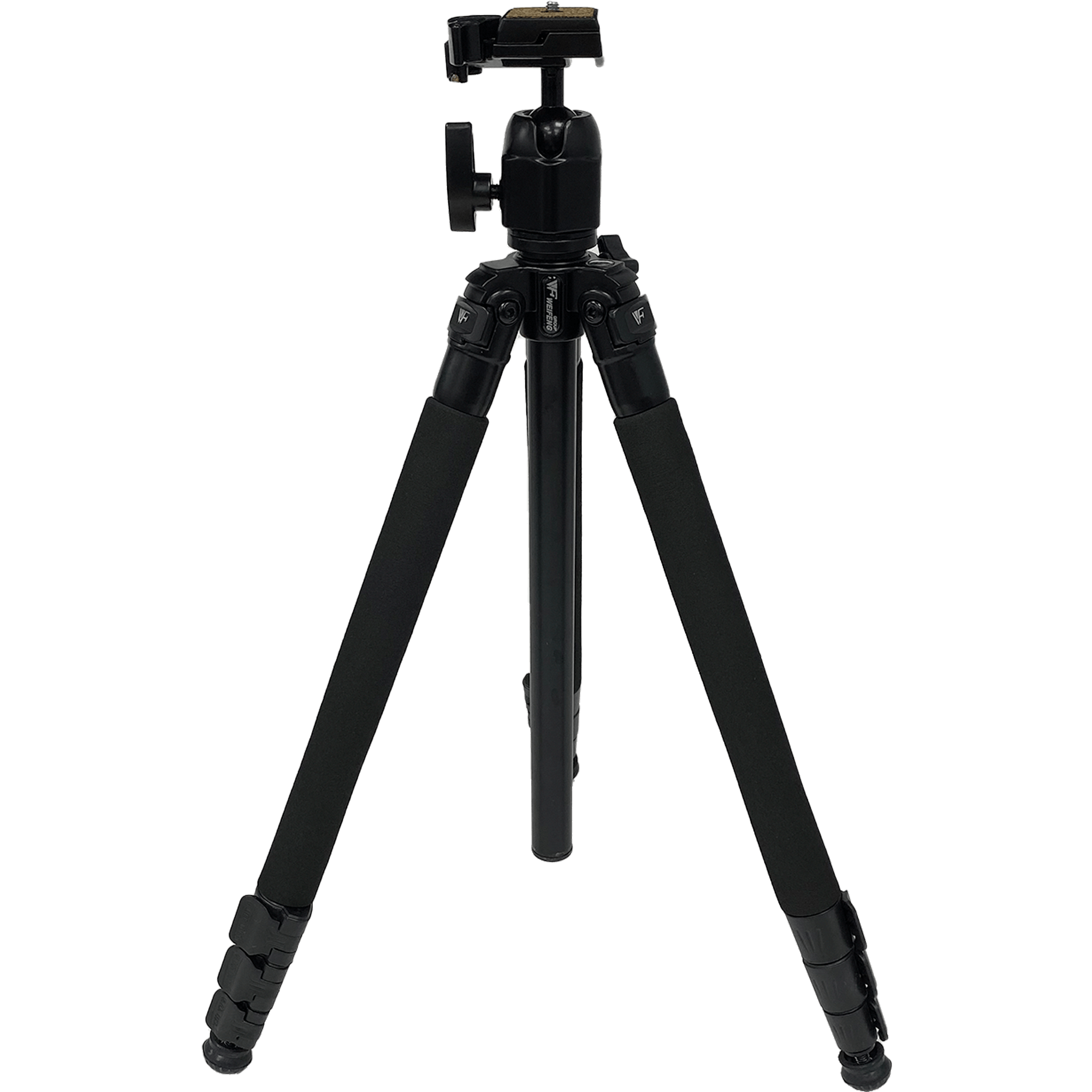
The Ultimate Guide to Choosing the Perfect Tripod for Your Photography Needs
Choosing the perfect tripod for your photography needs involves understanding your specific shooting style and the environments where you typically shoot. Tripods come in various styles and materials, each designed for particular conditions. For instance, a lightweight aluminum tripod is great for travel, but if you're into wildlife photography, a heavy-duty model may provide the stability required for long lenses. Before making a decision, consider questions like: What type of photography do I do? and Will I be using it outdoors or indoors?
In addition to considering the type of photography you engage in, it’s important to evaluate the features that will enhance your shooting experience. Look for essential components such as adjustable legs, which allow for uneven terrain, and quick-release plates for fast setup. A tripod with a high load capacity can also ensure that it supports your camera gear without compromising stability. To summarize, whether you're a casual shooter or a professional, investing time in selecting the right tripod can significantly improve your overall photography results.
Counter-Strike is a popular first-person shooter game that emphasizes teamwork and strategy. Players can participate in various game modes, where teams of terrorists face off against counter-terrorists to complete objectives. Additionally, players often enhance their gaming experience with various accessories, such as those listed in the Top 10 iphone camera accessories, which can improve their performance and visual feedback during gameplay.
10 Creative Ways to Use a Tripod During Your Outdoor Adventures
When embarking on outdoor adventures, a tripod can be a game-changer for capturing stunning images and videos. Here are 10 creative ways to utilize a tripod in nature:
- Stable Time-Lapse Photography: Use your tripod for time-lapse shots of sunsets or moving clouds. This stability allows for smooth transitions and breathtaking visuals.
- A Group Portrait Assistant: When hiking with friends, set up your tripod and use a remote shutter or timer feature. This way, everyone can be included in the shot.
- Long Exposure Shots: Capture the ethereal beauty of flowing water or star trails by utilizing your tripod for long exposure photography.
- Wildlife Photography: Set your tripod at a safe distance to photograph wildlife without disturbing their natural habitat.
- Self-Portraits in Scenic Locations: Find an incredible backdrop, and the tripod will help you snap a perfect self-portrait without any extra help.
Beyond photography, a tripod has other versatile uses on your outdoor escapades:
- Stargazing Aid: Use your tripod to mount binoculars or a small telescope for stellar observations. This steadiness will enhance your ability to take in the night sky.
- Camping Lantern Stand: Hold your camping lantern securely by attaching it to your tripod for even light distribution around your campsite.
- A Mount for Action Cameras: Capture thrilling adventures like rock climbing or biking by using your tripod to secure your action camera for first-person perspectives.
- Improvised Table: In a pinch, a tripod can serve as a stable platform for a small tabletop or cooking surface when enjoying a meal outdoors.
- Guided Meditations: Use your tripod to hold your phone or tablet while following guided meditations in serene outdoor settings, enhancing your experience.
Top 5 Common Tripod Mistakes and How to Avoid Them
When it comes to photography, using a tripod can significantly enhance the quality of your images. However, many beginners make common mistakes that can lead to disappointing results. One of the most frequent errors is not extending the tripod legs fully. By keeping them at a shorter length, you might be sacrificing stability and introducing camera shake. Always ensure that you extend the legs to their maximum height while maintaining a lower center of gravity to avoid tipping, especially on uneven surfaces.
Another common tripod mistake is neglecting the importance of leveling. A tilted camera can distort the composition and ruin an otherwise perfect shot. To prevent this, take a moment to use the built-in bubble level if your tripod has one, or adjust the legs to ensure that your camera is perfectly horizontal. Additionally, some photographers forget to secure the tripod head properly, which can lead to accidental shifts in angle. Always double-check that the tripod head is tightened and firmly in position before snapping that important photo.